Champagne
Champagne Region
The Champagne Region is located in northeastern France (about 1 1/2 hours from Paris by train or car) and is the home of sparkling wine. The soil in the best vineyards of the Champagne Region is mostly of the same white, chalky clay that forms the white cliffs of Dover on the English Channel. The only three legal grape varieties for Champagne are Chardonnay (for delicacy), Pinot Noir (for power) and Pinot Meunier. Champagnes go through an initial fermentation in tanks that form a very acidic still wine. Next the wine is put through a second fermentation in an individual bottle. The CO2 that is formed during this second fermentation is trapped in the bottle and over a period of time is forced into solution with the wine. The longer that Champagne ages in the cellars, the tinier the bubbles.
Champagne comes in a variety of sweetness levels. By far the most popular is a style know as ‘Brut’ which is fermented to dryness. In North America, a slightly sweeter type know as Extra Dry has a substantial market share. There are dryer (Natural, Savage) and sweeter versions (demi-sec, doux) of Champagne that are produced, but they represent very tiny segments.
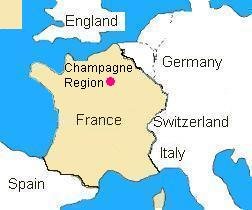
There are other sparkling wines produced in many countries around the world but none of them are entitled to be called Champagne. That name is reserved only for sparkling wines that are produced in the Champagne Region of France and that have been produced in line with very specific and strict practices (AOC regulations). Only in the United States are you likely to see other sparkling wines labeled as Champagne. The United States does not have a treaty with France restricting such practices. The producers of the best sparkling wines in the U.S.A. usually avoid the term, Champagne. The less expensive and lower quality sparkling wines in the U.S.A. tend to play off the ‘Champagne’ designation to drive their sales. Sparkling wines from Italy are called “Spumante” while sparkling wines from Germany are known as “Sekt”.